

Whoa! I started using Solana wallets because of an NFT drop I couldn’t resist. Seriously? Yep. My first impression was that everything felt fast — lightning fast, like grabbing coffee in Manhattan and actually getting out on time. But something felt off about the onboarding flow. Initially I thought any wallet would do, but then realized that extension design, permissions, and UX matter way more than you’d expect. Honestly, I’m biased toward clean, minimal interfaces. Still, I’ll try to be objective—well, mostly objective.
Here’s the thing. If you care about NFTs on Solana, a browser extension wallet isn’t just convenience. It’s the difference between skipping a mint and getting in on a drop. It affects gas, transaction speed, wallet security patterns, and how you manage multiple collections. My instinct said to focus on three things: security defaults, token/NFT handling, and developer ecosystem friendliness. On one hand, a lot of wallets look great. On the other, many hide critical warnings behind tiny checkboxes. Hmm… that’s a problem.
Why this matters: Solana’s model is different from Ethereum’s. Transactions are cheap and fast, so people trade and mint in real time. That creates a different set of risks and opportunities. A good extension should make those risks visible without being annoying. In the next sections I walk through what I look for, what bugs me, and how to set up a practical wallet routine—no fluff, just pragmatic stuff you can actually use.
What a Good Solana Browser Extension Actually Does
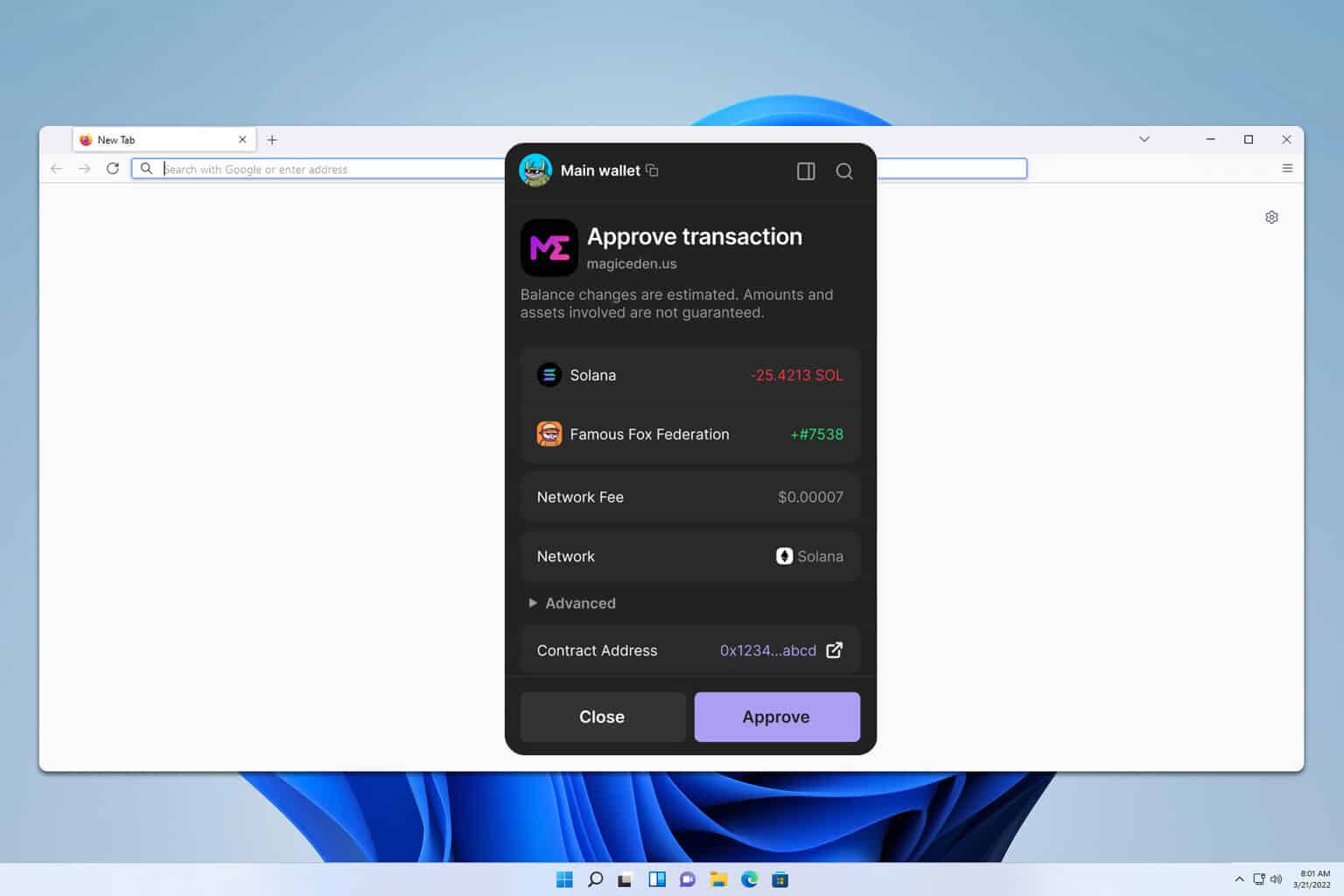
Short answer: manages keys, isolates web requests, and represents NFTs cleanly. Longer answer: it should do all that while making the user feel in control. Wow! The UI needs to explain approvals. It should show which sites have access, what permissions those sites requested, and what an approval will let the site do. My gut said this is obvious, yet too many extensions bury it.
Security-wise, hardware wallet support is huge. If you’re holding serious value or high-rarity NFTs, connect a hardware device. Seriously, do it. A good extension will let you pair a hardware key and still keep the convenience of a browser-based experience. Initially I thought software only was fine, but then I lost access to an account due to a password manager hiccup—so now I always recommend an external signer for long-term holdings.
Performance? You want quick signature prompts. No lag. No cryptic error codes. If a wallet stalls during a mint, you lose your spot. That has happened to me. It’s maddening. And here’s another quirk—token display. Some wallets treat NFTs as afterthoughts, lumping them with fungible tokens in a list. That bugs me because NFTs deserve visual priority: images, traits, and history. Oh, and metadata caching matters. If the extension can’t fetch or cache metadata well, your collection view looks broken at scale.
Choosing Between Popular Options
Okay, so check this out—there are prominent wallets that many people use and trust. Some lean toward power users and devs. Others aim for mainstream simplicity. My rule of thumb: match your choice to your needs. If you’re a collector who trades frequently, prioritize UI and speed. If you dabble in DeFi and staking, look for integrations and programmatic approvals. If you’re a developer, check for RPC customization and programmatic signing APIs.
One practical tip: when you test an extension, do a dry run with a throwaway account. Mint a cheap NFT or interact with a testnet dApp. Watch which permissions are requested. If anything says «full access» or «sign arbitrary transactions» without context, pause. The phrasing should be clear. If it’s vague, assume the worst—except maybe the worst is just bad UX and not malicious intent. Still, be cautious.
Installation and First Steps (Real-World Routine)
I’ll be honest: I prefer installing from official sources. I rarely click random links in tweets. My shortcut when recommending a safe place to start is linking to an official page that bundles clear instructions. If you want a friendly starting point, consider installing the phantom wallet download extension and going through its setup flow—it’s a common entry for many Solana users and does a good job of introducing key concepts without overwhelming new users. Really.
Initial setup checklist: write down your seed phrase on paper. Do not store it in a plain text file. Do not email it to yourself. Period. Make a small backup habit: two physical copies in different secure places. (oh, and by the way…) enable any available biometric lock on the extension if you use it on a laptop that supports it. Also, take a moment to set a recovery plan—who you’d contact if things go sideways. Sounds dramatic, but it’s smart.
I’m not 100% sure about every edge case, but here’s a common flow I use: create a small hot wallet with a few SOL for daily mints, and move the rest to a cold storage solution or a hardware wallet. That separation reduces stress and risk. It’s not glamorous, but it works.
Common Pitfalls People Ignore
People often trust UI too much. That’s a mistake. On one hand, slick onboarding is nice. On the other, it can lull you into accepting permissions you shouldn’t. My instinct said to scrutinize every approval dialog. Actually, wait—let me rephrase that: scrutinize the first few pages of permissions you accept. Later, you’ll get used to clicking fast. Resist that. Pause at least once per site.
Another pitfall: too many extensions installed. Each additional extension increases your attack surface. If two extensions request similar permissions, the chance of a UX-induced mistake climbs. Fewer, more trusted extensions are better. Also, don’t ignore RPC endpoints. If a wallet lets you change RPC nodes, choose reputable ones. A compromised node can serve bad data or block transactions.
And here’s something practical that people forget: metadata pinning. If an NFT’s metadata is hosted on an unreliable server, your collection view might break. If a project doesn’t pin images to IPFS (or a similar decentralized host), be wary. Not all broken images are scams—sometimes it’s just sloppy hosting—but it’s still annoying.
FAQ — Quick Answers
Can I use one wallet for everything?
Yes, but it’s not ideal. I use multiple wallets: a hot wallet for day-to-day mints, and a hardware-backed wallet for long-term holdings. Splitting reduces risk and friction. Something I learned the hard way: mix of convenience and cold storage beats an all-in approach.
Are browser extensions safe for NFTs?
They can be. Safety depends on the wallet’s design, your habits, and which sites you interact with. Use reputable extensions, verify permissions, and prefer hardware signers for high-value assets. Also keep your browser and OS updated—small patches often close big holes.
What if my extension asks to «sign arbitrary transactions»?
Stop. Read carefully. If a site asks to sign arbitrary transactions, understand what those transactions could do. If it’s unclear, cancel and investigate. Contact the project, check community forums, or use a throwaway account to simulate the interaction first.
Alright, time to wrap this up—well, not wrap like a neat bow, but to leave you with a usable mental model. My final take: treat your browser wallet like a tool, not a passive bank. It’s an interface between you and a permissionless world. Respect it. Invest a little time in good instincts: clear backups, hardware for valuables, and cautious permission habits. That approach will save you headaches and maybe a few SOL.
I’m not trying to scare you. Really. But I do want you to be thoughtful. If you’re just getting started, try a small experiment: install one trusted extension, test on devnet, and build from there. It’s better to learn with pocket change than to panic when a high-stakes mint goes sideways. Somethin’ tells me you’ll thank yourself later.