

Whoa. Here’s the thing. I remember the first time I connected a browser wallet to a Solana app — my heart did a little hop. At first it felt like magic, fast and cheap transactions that barely register as waiting, though actually there were trade-offs I didn’t notice until later. Initially I thought a browser extension was just a convenient bridge, but then the reality of permissions, seed phrases, and DApp interactions hit me like a learning curve with no guardrails.
Here’s the thing. The Solana ecosystem moves at breakneck speed, and a browser extension wallet gives you direct access to DeFi protocols, SOL staking, and NFT marketplaces without fumbling a phone. Seriously? Yes — but that convenience also means you need a few guardrails. Something felt off about how many people blindly click «Connect» and «Approve» without reading, and my instinct said that casual use without rules is a security time bomb. I’ll be honest — that part bugs me.
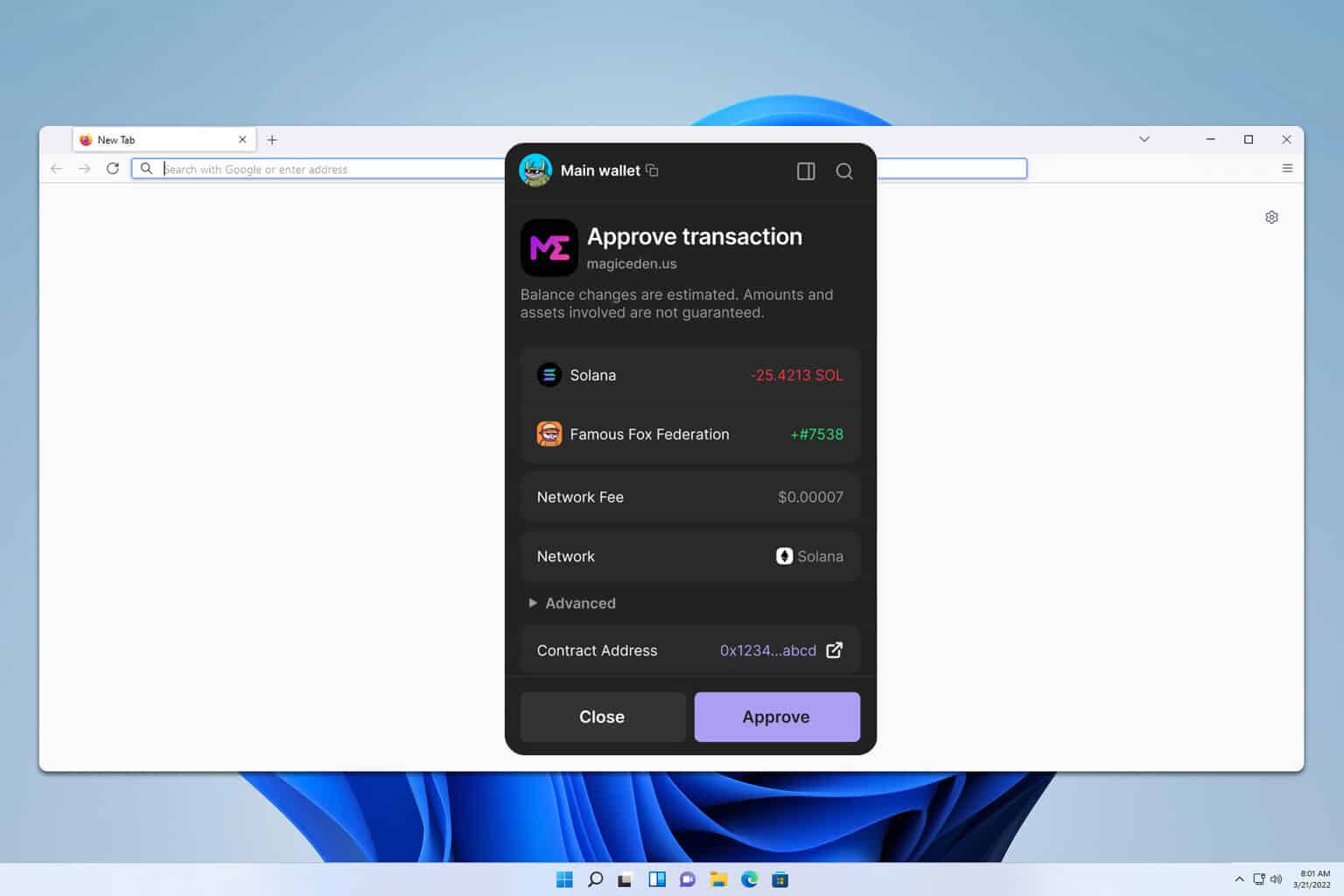
How a Browser Extension Wallet Actually Works (and why phantom matters)
Okay, so check this out—browser wallets inject a small interface into your browser that signs transactions locally and passes them to Solana programs; they act like a lightweight key manager that talks to websites. Here’s the thing. If you want a polished, user-friendly option that integrates with most Solana DApps, phantom is one of the go-to choices for many users. On one hand, extensions streamline everyday actions like swapping SPL tokens or listing an NFT; on the other, they require constant vigilance because browser-based keys are convenient but exposed differently than hardware keys are.
Really? Yes. When you approve a transaction, the extension shows the details and you confirm with a click, which is faster than scanning a QR code on a phone. My instinct said speed would be the biggest win, and that turned out to be true for quick trades or bid-sniping on NFT drops. But actually, wait—let me rephrase that: speed is a feature, not a substitute for cautious behavior, and you should treat approvals like real financial signatures.
Here’s the thing. If you run multiple accounts, browser extensions usually let you create several wallets, import seed phrases, or connect a hardware key. That flexibility is great for separating personal holdings from trading or game accounts. Something else I like: switching accounts is instant, which makes testing small transactions painless. Though, on the flip side, having many accounts badly organized can make recovery messy if you lose your recovery phrase.
Here’s the thing. Permissions matter more than people realize. A DApp asking for a signature doesn’t always mean the same thing — sometimes it’s a one-time approval, and sometimes it’s an ongoing token allowance. On one hand you want that convenience for recurring interactions, though actually you should audit allowances and revoke them when they’re no longer needed. I check allowances often; it’s become a habit like checking my bank account balance.
Whoa. Wallet UX has improved a lot. Medium-length confirmations and clear gas estimates reduce user anxiety, and Solana’s low fees mean trials cost pennies. Initially I thought low fees would lead to careless approvals, and I was partly right — some users click through because mistakes feel cheap. However, the true cost can be reputational or irreversible loss of rare NFTs, which small fees can’t compensate for. I’ll be honest, that lesson was learned the hard way by friends who assumed a few lamports were harmless.
Here’s the thing. When using a browser extension, always back up your seed phrase offline — physically, not in a screenshot or cloud note. Seriously. Paper backups or a hardware device are still the most resilient. My advice: write it down in at least two different places and store them separately (fire safe, lockbox, whatever). Trust me, you do not want to type that recovery phrase into a random site because you forgot where you put it.
Here’s the thing. Phishing is subtle. Attackers mimic DApp UIs, create fake token contracts, or send malicious transaction prompts that look normal at first glance. Something felt off about one airdrop I saw once — the token name was almost identical to a legit project but had a hidden function. On one hand an obvious scam is easy to spot, though sophisticated attacks blend in. My instinct now is to verify contract addresses or use reputable marketplaces for NFTs.
Really? Yes — learn to read transaction details. The extension shows the instructions, and some advanced UIs let you inspect the program calls. Initially I thought that level of detail was overkill for casual users, but then I realized it’s the difference between a harmless swap and unknowingly approving token transfers to a malicious contract. Actually, I keep a short checklist before approving anything: verify origin, validate program ID, confirm amount, and double-check that the action matches my intent.
Here’s the thing. Hardware wallet support is a game-changer when paired with a browser extension; the extension can orchestrate the connection while the hardware device signs. That combination gives you the convenience of a browser interface with the private key safety of an offline device. I’m biased, but if you hold significant SOL or expensive NFTs, adding a hardware signer is worth the extra steps. It reduces the attack surface dramatically, especially for long-term holdings.
Here’s the thing. For DeFi traders, features like token swaps, limit orders via certain DEX UIs, and staking all happen faster on Solana than on many other chains. The extension bridges your funds to those apps instantly. On the flip side, liquidity and rug risks still exist — fast chain doesn’t mean safe chain. My working rule is to start with micro-transactions until I trust a new protocol’s behavior.
Really? Yes — testing with tiny amounts saved me multiple times. Something as simple as a 0.01 SOL transfer can validate a path without exposing large balances. On one hand that seems tedious, though actually it’s efficient risk management. I used to skip that step; now I treat small tests as insurance.
Here’s the thing. Privacy is often overlooked. Browser extensions can leak data through connected sites, local storage, or analytics; your activity can be correlated across DApps. I’m not 100% sure how every extension handles telemetry, so I pick options that publish clear privacy policies and let me disable tracking. (oh, and by the way…) if privacy is critical, consider isolating wallets in separate browser profiles or containers to reduce cross-site linking.
FAQ
Can I use a browser extension wallet for NFTs and DeFi simultaneously?
Yes. A browser extension handles both SPL tokens and NFTs the same way; you simply sign different transaction types. However, be mindful of approvals and always verify the marketplace or protocol before granting permissions.
What if I lose my browser profile or laptop?
Your recovery phrase is the key. If you wrote it down and stored it safely, you can restore your wallet on another device. Without the phrase, recovery is unlikely, so take physical backups seriously.
Is a browser extension wallet safe for large holdings?
For very large holdings, combine the extension with a hardware signer or keep most funds cold. Use the extension for active trading and a hardware or cold-storage solution for long-term custody.