

Okay, so check this out—wallets used to feel like a separate thing. They were apps on your phone or cold-storage devices collecting dust. Now, extensions live right in your browser and they change the game. Wow!
At first glance, a browser extension wallet looks simple. It’s a little icon, a click, and you’re connected. My instinct said «this will be frictionless,» and mostly it is. But there’s nuance. Initially I thought extensions were inherently risky, but then I paid attention to how they handle key management and transaction signing. Actually, wait—let me rephrase that: extensions aren’t automatically unsafe; their design choices matter very much.
Here’s what bugs me about the ecosystem. Too many users equate convenience with safety. That’s wrong. Very very important to separate the two. On one hand, browser wallets make dApp interactions silky smooth. Though actually, they also make it easier to accidentally approve a malicious transaction if you aren’t careful.
So let’s walk through the practical stuff—what a Solana-focused browser extension should do, how to evaluate it for NFTs, and how to keep your keys safe without turning your life upside down. Hmm… this might be more useful than another five tweets about «just HODL.»
Why choose a browser extension for Solana (short and blunt)
Speed. Click-to-connect is fast. Really?
Seamless NFT viewing. No need to import separate collectors. My first impression was excitement, then a little skepticism when a shady site asked me to sign something weird.
Extensions let you interact with Solana dApps directly, which is handy when mint drops or swaps happen in seconds. But you need guardrails. I’m not 100% sure all users understand what they click.
One solid starting point if you want a polished experience is to grab a vetted extension from a trustworthy source. If you want to check out Phantom’s extension workflow and installation steps, here’s a straightforward link you can use: https://sites.google.com/cryptowalletextensionus.com/phantomwalletdownloadextension/
Don’t blindly click «install» though. Pause. Look at reviews, check official channels, and confirm the extension’s publisher. Something felt off about that one fake clone I encountered last year—my gut was right.
Key features to inspect before installing
Seed management. Does the extension store your seed locally in an encrypted format? Short answer: that’s preferable. Long answer: you still need a secure backup.
Permission transparency. When a dApp asks to connect, does the wallet list exactly what it’s requesting? Or does it show vague terms like «full access»? Ugh.
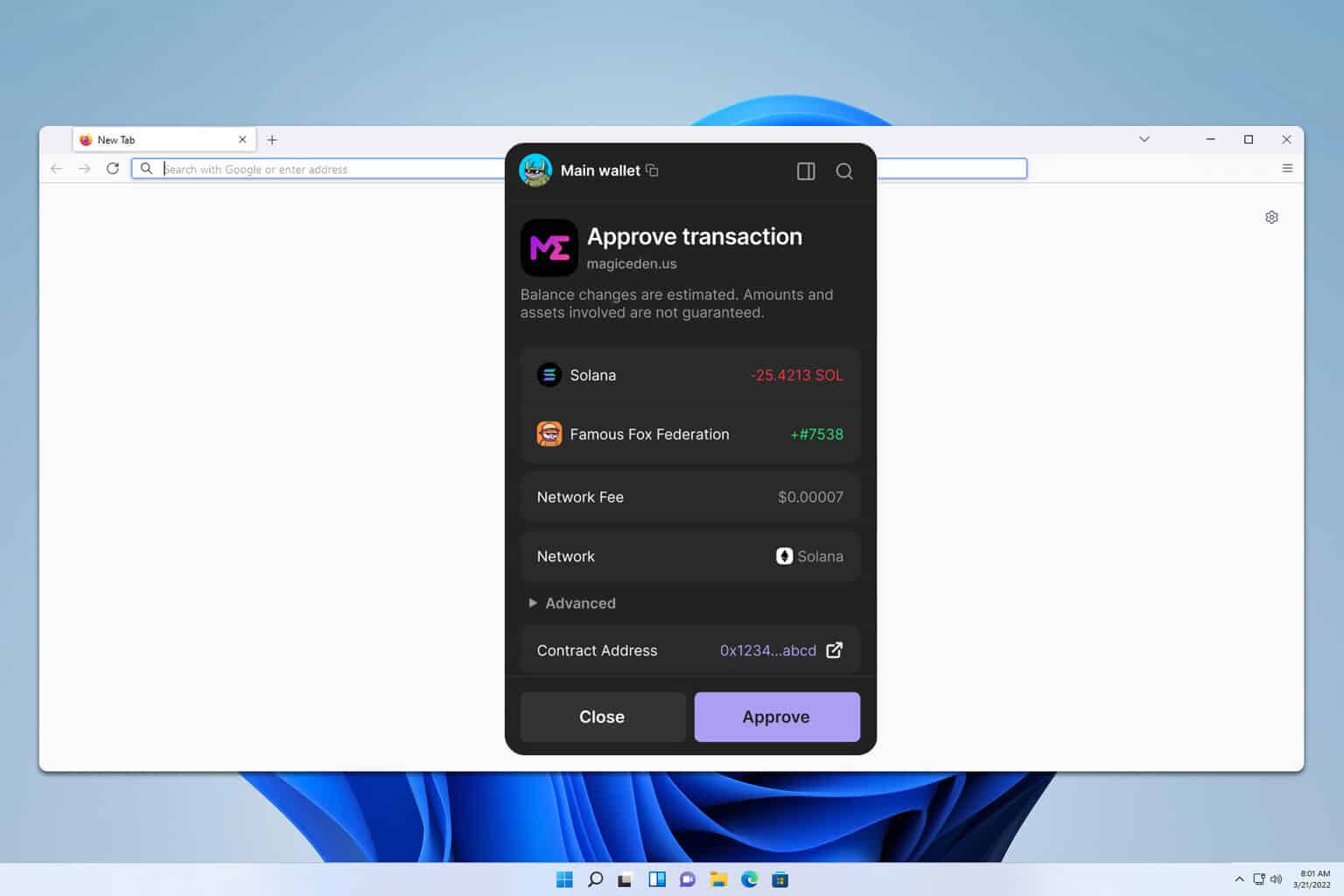
Transaction previews. Good wallets let you see instruction details. This matters for NFTs since minting contracts can include extra calls you might not expect.
Open-source code and audits. Open-source doesn’t equal safe, but it’s a lot better than closed-source with zero audits. On one hand audits surface issues; on the other, some projects claim audits as marketing—so read the reports.
Sol wallet vs NFT wallet—same thing, different emphasis
People use «Sol wallet,» «Solana wallet,» and «NFT wallet» interchangeably. They overlap, yet priorities diverge. For token traders, speedy swaps and reliable RPC endpoints matter. For NFT collectors, metadata rendering, collection display, and safe signing UX take center stage.
I’m biased toward wallets that let you switch RPCs easily and that show instruction-level details for transactions. That level of transparency saved me from a rug-pull once—won’t lie about that.
Also… tiny tip: export your NFT list occasionally. Some marketplaces read local wallet state to assemble galleries, and you don’t want to lose a curated view because of a corrupted cache.
Practical safety checklist (do this before you mint)
1) Verify the extension publisher in the browser store. If it looks off, close the tab. Seriously?
2) Use a hardware wallet for large holdings, if the extension supports it. Not a huge hassle if you do it once and then breathe easier.
3) Read transaction details. If a mint asks for «transfer of all assets,» that’s a red flag. Wow!
4) Keep one hot wallet for small interactions and a colder wallet for long-term holdings. It splits risk smartly.
5) Backup your seed phrase securely. No screenshots. No cloud notes. Ever. I’m telling you—put it on paper, or a steel plate if you feel extra paranoid.
When things go wrong
Phishing pops up in a few flavors: fake pop-ups, malicious browser extensions, and social-engineered signature requests. My experience: the most convincing scams play on FOMO. They say «quick! sign to claim.» Your gut should say slow down.
If you think you’ve clicked something bad, disconnect the site from your wallet immediately and revoke permissions if your wallet supports it. Then move funds to a new wallet. It’s painful, but better than losing NFTs or SOL.
FAQ
Is a browser extension wallet safe for NFTs?
Yes, with caveats. It’s safe when you use a reputable wallet, verify the publisher, and practice safe signing. For high-value NFTs, consider a hardware-backed wallet or move critical assets to a more isolated address.
Can I use a single extension for trading and collecting?
Absolutely. Many extensions balance both. The key is to configure usage: small amounts for daily browsing, and separate cold storage for long-term holdings.
What about clones and fake extensions?
Clones are real. Check the extension ID, read user reviews, and follow official project links from verified social profiles. If somethin’ seems too polished or too little info, step back and investigate.
Alright—time to wrap this up, sorta. My overall take: browser extension wallets are the convenience sweet spot for Solana and NFTs, but they demand attention and a little operational security. Expect friction if you want safety; that’s just the trade-off. I’m curious how this space evolves. Will UX get safer without dumbing down transparency? I hope so.